Trippify's B2B travel portal is a single-dashboard platform that consolidates flight and hotel booking for travel agencies. It connects to 30+ suppliers, offers 20,000+ direct hotel contracts, supports NDC fares, net rates, and full LCC coverage under a Multi-IATA model, reducing operational complexity.
- A single B2B travel portal can replace 10–20 disconnected supplier systems, cutting operational workload significantly.
- Access to 30+ suppliers and 20,000+ direct hotel contracts gives agencies stronger inventory depth and pricing control.
- Multi-IATA flight support with NDC fares, net rates, LCC access, and block seats improves agency pricing flexibility.
- Accurate hotel mapping and quality visuals in the portal allow agencies to present professional, reliable offers to end customers.
- Consolidating bookings into one platform lets travel companies shift focus from system management to sales and service.
As part of its expansion strategy in digital travel solutions, Trippify Trek Travel Agency LLC has announced the official launch of its B2B travel portal, designed specifically for travel agencies and tour operators.
The launch comes in response to the daily operational challenges faced by travel companies, particularly the reliance on multiple suppliers and third-party platforms to manage flight and hotel bookings—resulting in increased complexity, higher operational workload, and a greater risk of errors.
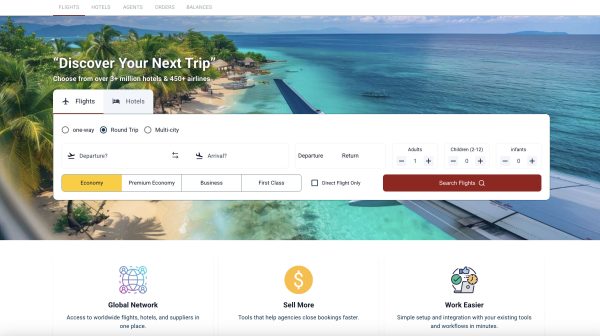
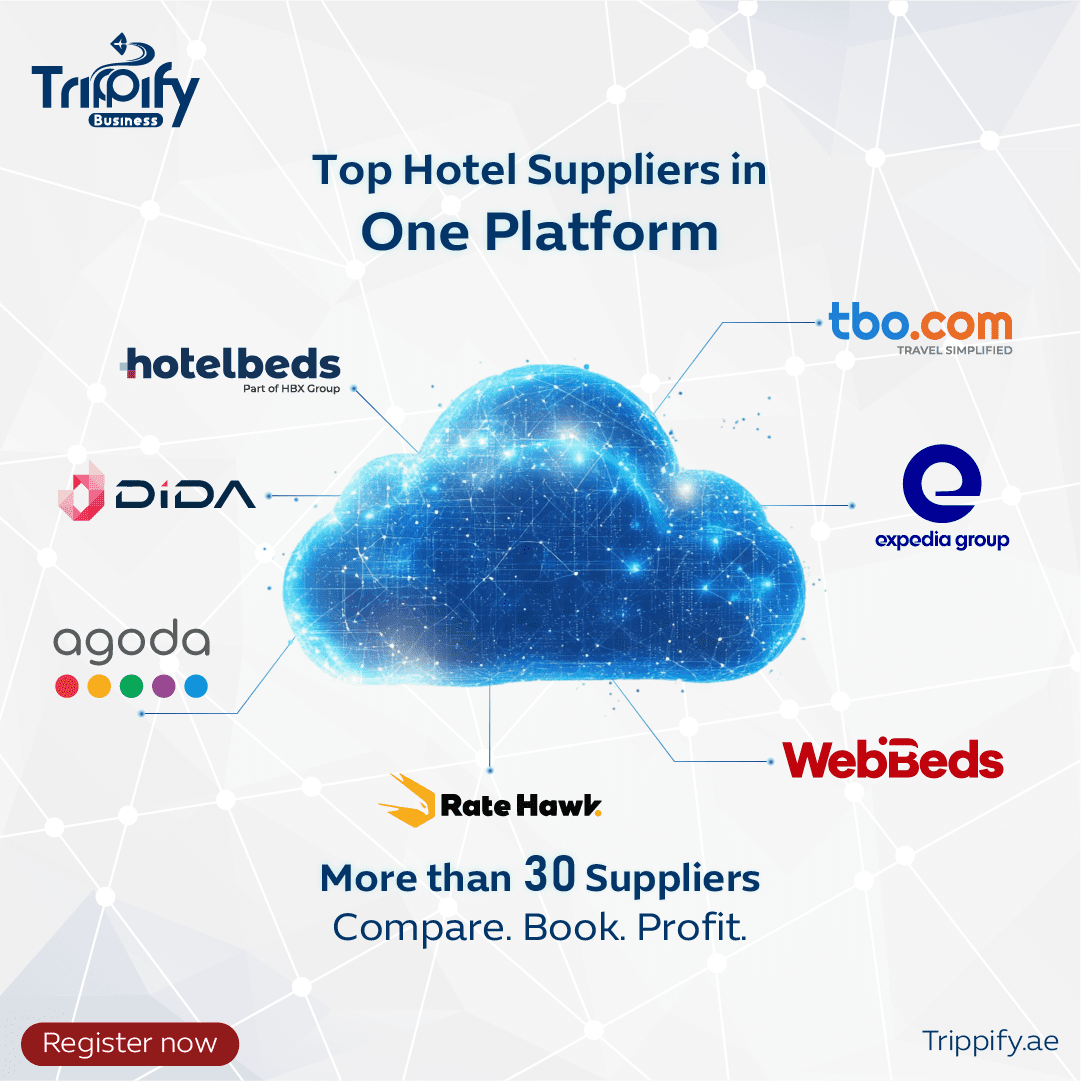
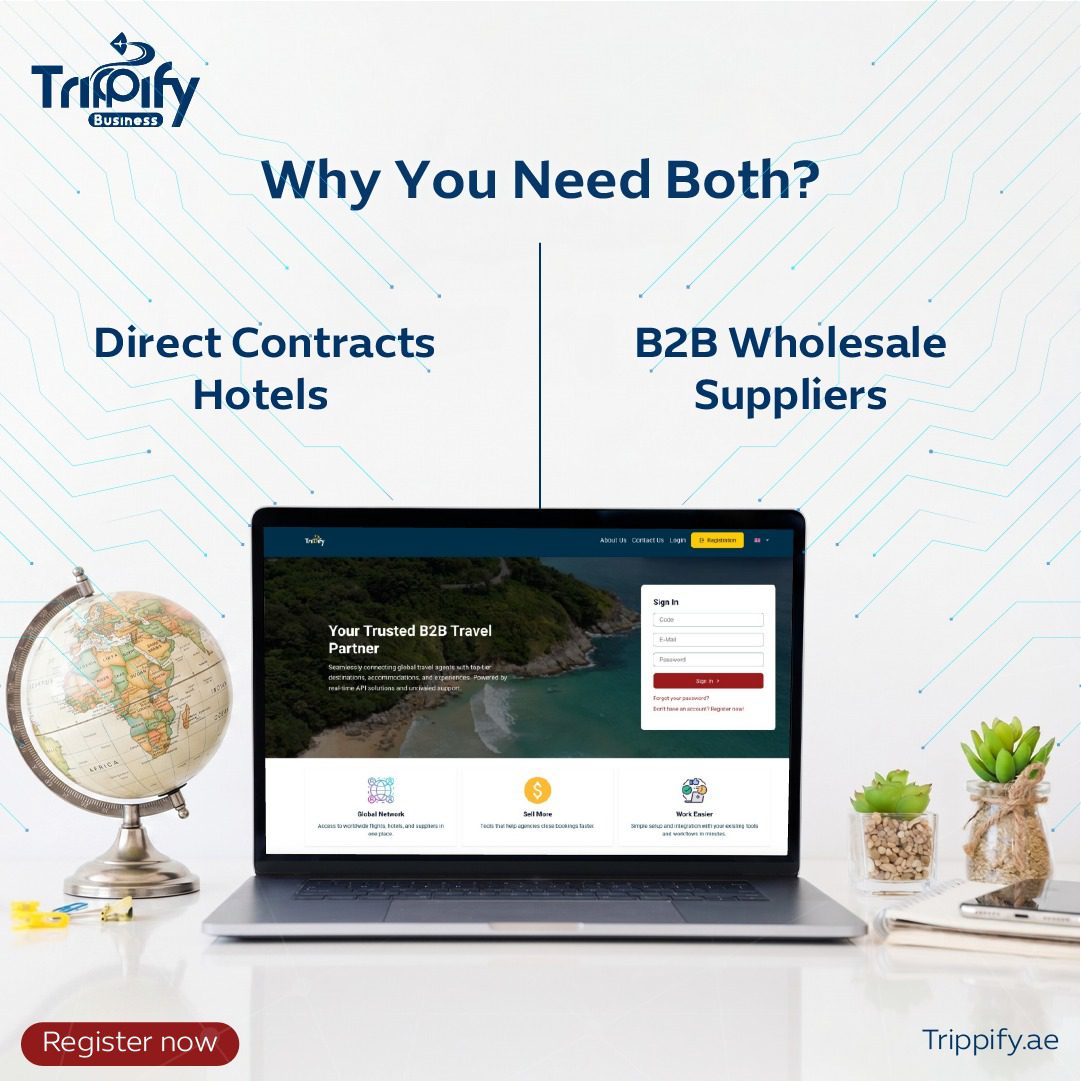
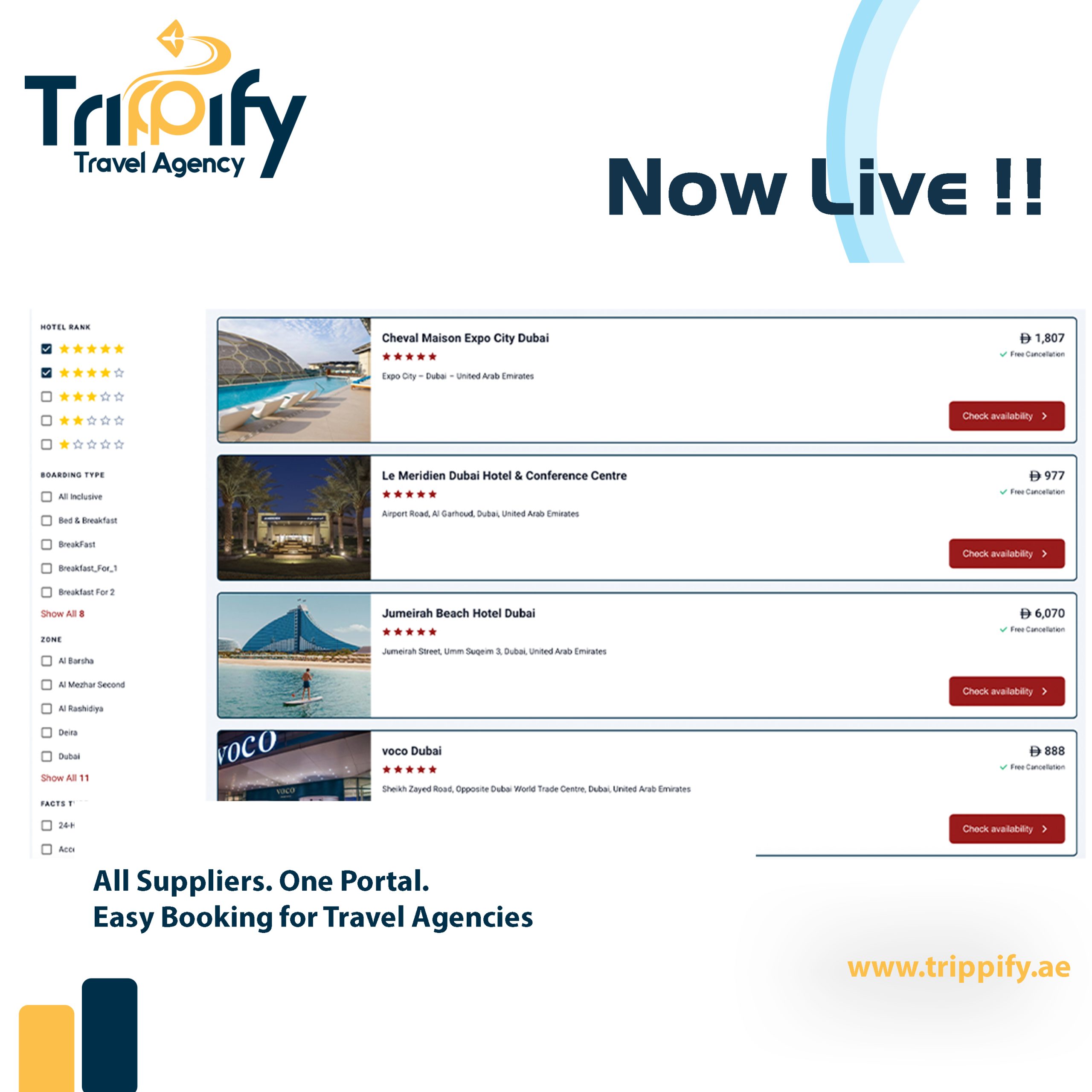
The Trippify B2B portal enables agencies to manage all bookings through a single, user-friendly dashboard, eliminating the need to operate across 10 or 20 different systems. The platform is connected to more than 30 suppliers and offers access to over 20,000 direct hotel contracts worldwide, covering more than 20 global hotel brands with their full portfolios.
Hotel content on the portal is supported by accurate mapping, reliable data, and high-quality visuals, allowing agencies to present clear and professional offers to their end customers.

On the flights side, the platform operates on a Multi-IATA model, providing full access to NDC fares, competitive net rates, complete coverage of low-cost carriers (LCC), and the availability of block seats on selected destinations. This gives travel agencies greater flexibility in pricing and demand management.
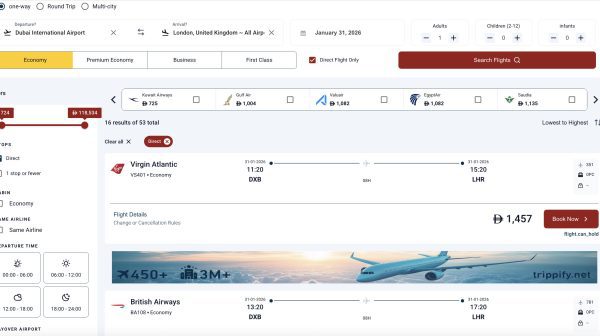
The launch of the B2B portal reflects Trippify’s vision to deliver a scalable, all-in-one solution that reduces operational complexity, improves efficiency, and allows travel companies to focus on sales growth and customer service rather than system management.
Access to the Trippify B2B portal will be available to travel agencies and partners under a clear contractual framework.
To register and request access to the Trippify B2B portal, please visit:
Registration Link