
Trippify Business is a white label travel platform that lets travel agents, entrepreneurs, and OTAs launch a fully branded online travel agency in days, with access to global flights, hotels, visas, and packages, integrated payments, and dedicated technical support — without building proprietary technology.
- Trippify Business debuted at ATM 2025 as a dedicated B2B brand for travel agencies and startups worldwide.
- A white label travel platform eliminates the need to build proprietary booking technology from scratch.
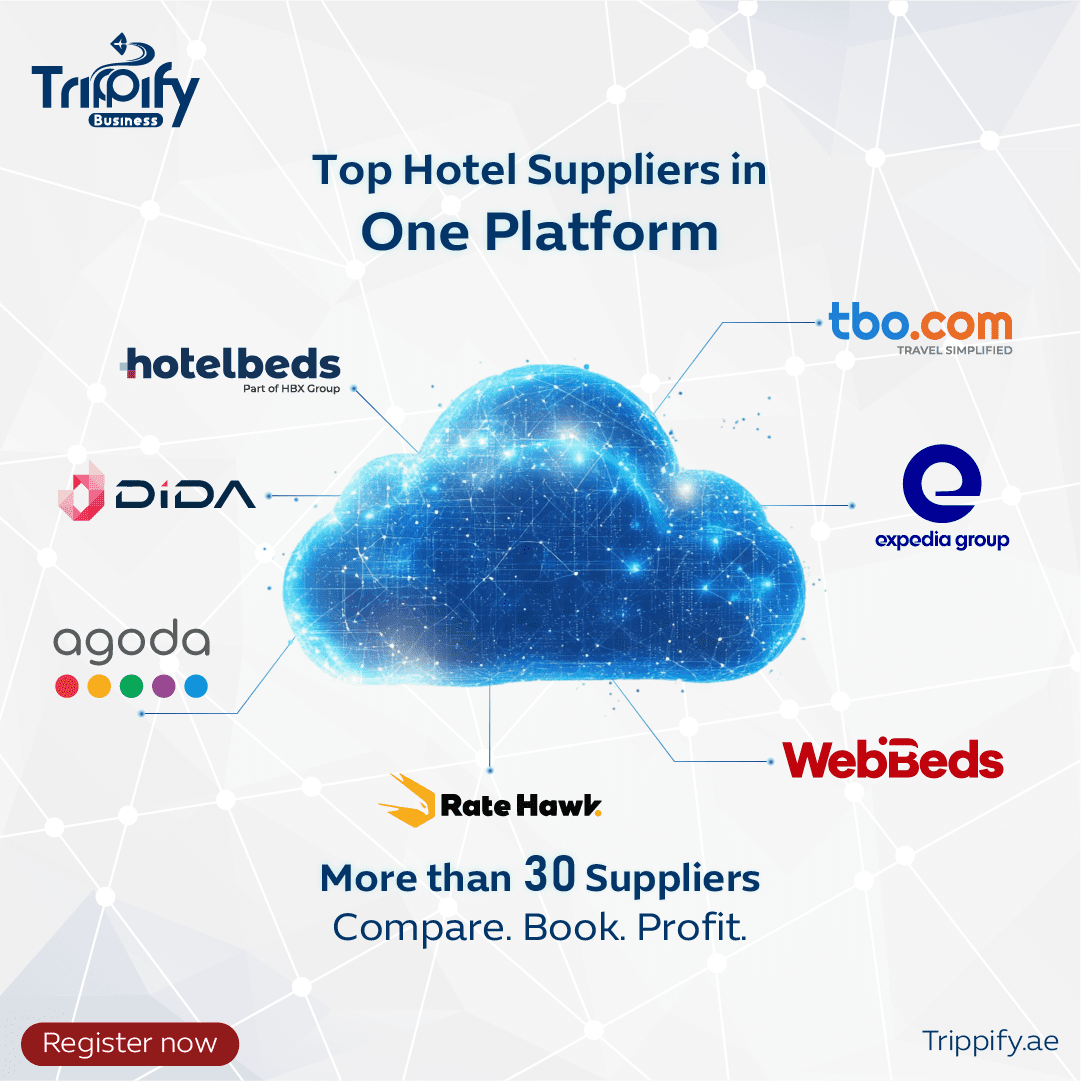
- Partners receive a branded website, global inventory, real-time availability, and integrated payment gateways under their own domain.
- Commission and pricing models are flexible, making the solution viable for small agencies and large OTAs alike.
- ATM 2025 accelerated Trippify's supplier network and opened B2B partnerships across the Middle East, Europe, and Asia.
Trippify Travel proudly participated in Arabian Travel Market (ATM) 2025, one of the world’s leading travel and tourism exhibitions, held in the heart of innovation — Dubai. With world-class organization and visionary support from the UAE government, ATM 2025 proved once again why Dubai remains a global hub for tourism and business.

🚀 Launching Trippify Business – Our B2B Revolution
During the exhibition, we officially launched our new brand: Trippify Business, dedicated to empowering travel agents and companies around the world. The highlight was the introduction of our White Label Travel Platform – a turnkey solution that allows anyone to create their own online travel agency in just a few days.
💼 White Label Features: Travel Tech Made Simple
Trippify’s White Label solution includes:
🧠 Fully branded booking website with your logo and domain
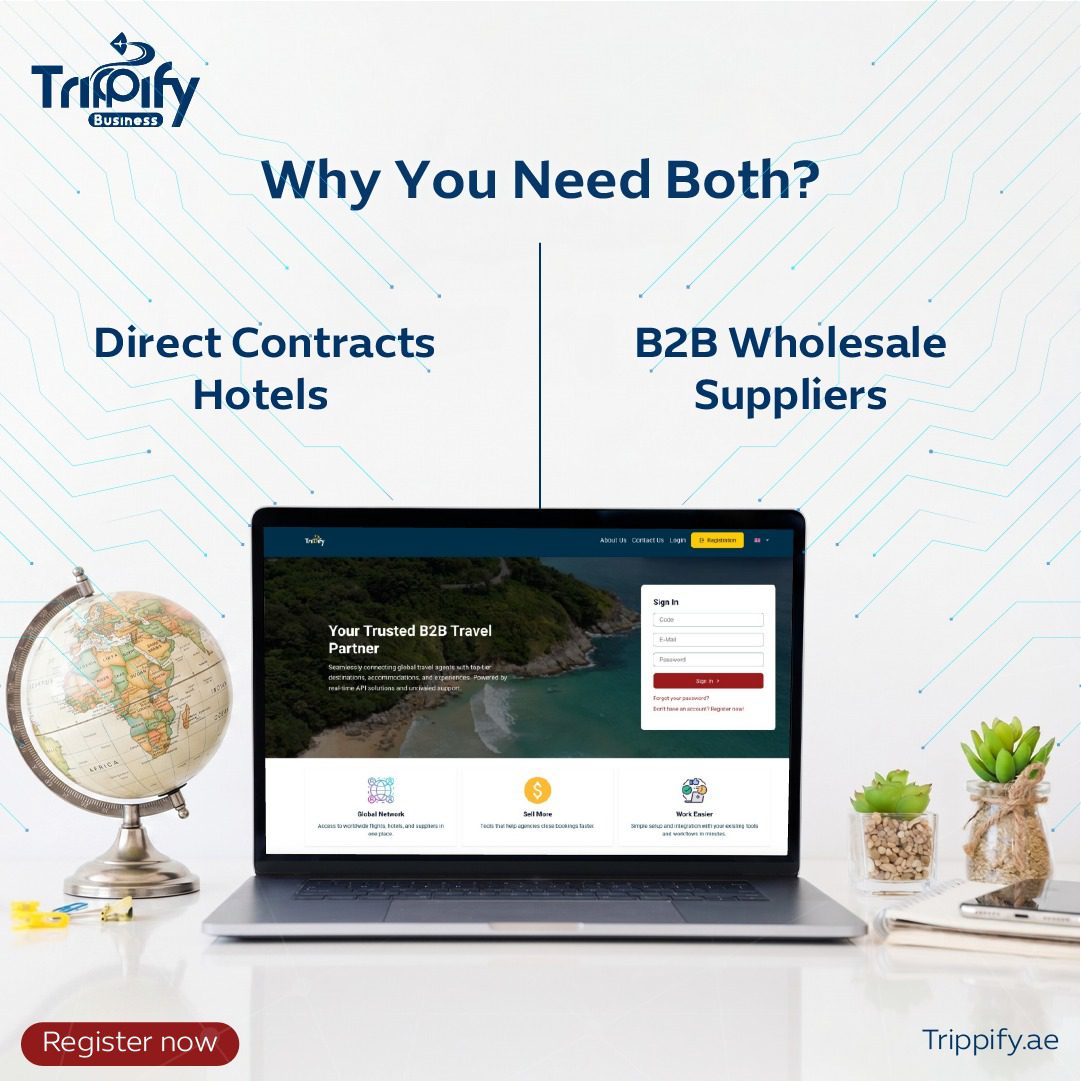
✈️ Access to flights, hotels, visas & packages
🛠️ Easy-to-use dashboard to manage all bookings
🤝 Dedicated technical support
💳 Integrated payment gateways
📊 Flexible pricing and commission models
🌐 Global inventory and real-time availability
This solution is perfect for entrepreneurs, existing agencies, and influencers looking to build a scalable digital travel business without the technical headache.
🤝 Powerful Partnerships & Strategic Growth
Our presence at ATM 2025 led to:
🔗 New supplier connections
📈 Strengthened ties with current partners
🏛️ Engagement with government entities supporting tourism innovation
🌟 Future collaborations with global B2B clients
🌐 A Vision for Global Travel Enablement
With Trippify Business, we are opening doors for partners across the Middle East, Europe, North America, and Asia to launch competitive travel solutions under their own brands — backed by the technology, inventory, and reliability of Trippify.
🔔 Ready to Launch Your Own Travel Agency?
Join the next wave of digital travel leaders with Trippify White Label.
👉 Register your interest now